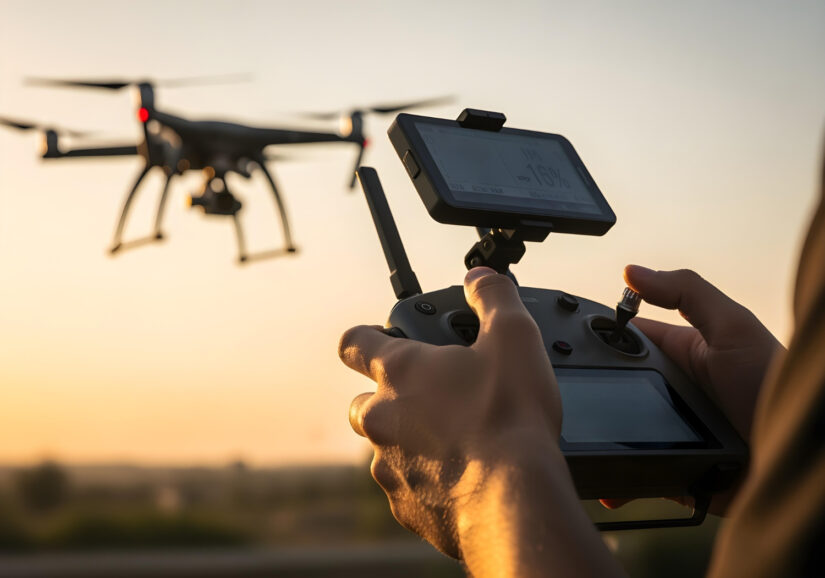
The Rise of Drones in Various Industries
In recent years, the use of drones has skyrocketed across multiple sectors, driven by advancements in technology and a growing demand for efficiency. Surveillance drones have become essential tools in industries ranging from agriculture to construction, providing unparalleled aerial views for monitoring and data collection. As businesses strive for greater operational efficiency, the integration of drones into their workflows offers copious benefits that are transforming traditional practices.
Enhancing Safety in Inspections
One of the most significant advantages of utilizing surveillance drones is the enhancement of safety during inspection processes. In hazardous environments, such as those found in construction sites, oil rigs, and energy plants, the risk of human error can lead to catastrophic outcomes. Drones can navigate these areas, capturing high-resolution images and videos without exposing workers to dangerous conditions. For instance, drones for nuclear power plant inspection allow for regular monitoring of infrastructure without putting personnel at risk, ensuring compliance with safety standards while minimizing human exposure to radiation.
Cost-Effectiveness and Time Savings
Deploying surveillance drones can lead to remarkable cost savings and time efficiency. Traditional methods of inspection often require significant resources, including labor-intensive man-hours and expensive equipment. Drones reduce these costs by quickly covering large areas and collecting data in real time. For example, utility companies increasingly rely on utility inspection drones to assess power lines and substations, allowing them to identify problems proactively and schedule maintenance more efficiently. This not only reduces downtime but also optimizes labor costs.
Data Collection and Analysis
The advent of drones has also revolutionized the way data is collected and analyzed. Modern surveillance drones come equipped with advanced sensors and imaging technology, enabling them to gather data at an unprecedented scale. This capability allows companies to conduct detailed analyses and make well-informed decisions based on accurate, real-time information. For instance, thermal imaging can identify heat loss from buildings or malfunctioning electrical components, while multispectral sensors can monitor crop health, guiding agricultural practices effectively.
Real-World Applications of Surveillance Drones
The versatility of surveillance drones means they can be applied across a range of industries. Here are a few examples:
- Agriculture: Drones enhance precision farming by monitoring crop health and optimizing resource use.
- Construction: They assist in site surveys and progress monitoring, ensuring projects remain on schedule and within budget.
- Energy: Surveillance drones are invaluable for inspecting power lines, with utility inspection drones facilitating quicker turnaround times for maintenance.
- Emergency Services: Drones can provide critical support in disaster response, offering aerial views for situational awareness and assessing damage.
Challenges and Future Prospects
While the benefits of surveillance drones are evident, challenges still exist. Regulatory hurdles, privacy concerns, and the need for skilled operators can pose obstacles to widespread adoption. However, as technology continues to evolve, so too will the solutions to these challenges. Developing artificial intelligence capabilities for drones could mean greater autonomy and improved data analysis, allowing businesses to fully harness their potential. Moreover, ongoing discussions about regulatory frameworks could pave the way for easier integration of drones into everyday operations.
A New Frontier in Operational Fidelity
In a world defined by rapid change, maximizing efficiency using surveillance drones is not just an opportunity; it is a necessity. From enhancing safety and reducing costs to transforming data collection and analysis, the potential of drones is vast. As industries continue to embrace innovation, drones for nuclear power plant inspection and utility inspection drones will undoubtedly play crucial roles in shaping a more efficient future. By overcoming existing challenges, businesses can leverage these technologies to not only streamline operations but also unlock new possibilities in several sectors, making the future of work more efficient than ever before.