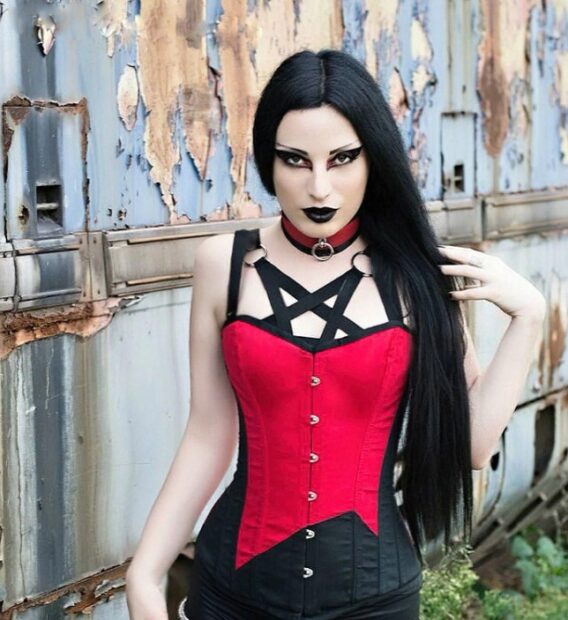
The Emergence of Alternative Fashion
Alternative fashion represents a departure from mainstream trends, often embracing dark, edgy aesthetics. This unique style emerged in the late 20th century, propelled by various subcultures including goth, punk, and emo. These communities celebrated individuality and self-expression, pushing the boundaries of what is considered conventional apparel. Alternative fashion allows its adherents to communicate their personalities, beliefs, and artistic sensibilities.
For those interested in embracing this aesthetic, one of the most reliable sources for high-quality, distinctive clothing is to shop at Goth N Rock. This online retailer encapsulates the spirit of alternative fashion, offering a wide range of clothing that features dark motifs, daring cuts, and unique designs appealing to a variety of tastes.
Key Elements of Dark Aesthetics
The essence of dark aesthetics lies in its combination of visual motifs, textures, and cultural references. Here are several key elements:
- Color Palette: Dark fashion often employs a color palette dominated by blacks, deep reds, purples, and other muted tones. This choice of colors evokes a sense of mystery and intrigue.
- Textures and Fabrics: Materials such as leather, lace, velvet, and mesh contribute to the rich, layered looks typical in alternative fashion. The combination of textures adds depth and complexity to outfits.
- Graphic Prints: Many alternative styles feature graphic prints that include occult symbols, band logos, and abstract art. These designs serve as personal statements and often reflect the wearer’s interests.
- Accessories: Accessories play a significant role in dark aesthetics, with items like chokers, chains, and statement jewelry amplifying the overall look. Footwear such as combat boots or platform shoes can complete the outfit.
Subcultures Influencing Dark Fashion
Alternative fashion is not a monolith but a tapestry woven from various subcultures. Each group brings its aesthetic sensibilities and characteristics to the forefront:
- Goth: Originating in the late 1970s and 1980s, goth style embraces dark romanticism, often characterized by Victorian-inspired pieces, dramatic makeup, and intricate layering.
- Punk: Punk fashion is aggressive and rebellious, showcasing elements like ripped clothing, safety pins, and unconventional hairstyles. It often challenges societal norms and emphasizes DIY ethos.
- Emo: Emo fashion revolves around emotional expression, often employing skinny jeans, band tees, and accessories that convey a sense of vulnerability and depth.
Fashion Icons and Influencers
Various icons have played crucial roles in popularizing alternative fashion. Musicians, actors, and artists often become style staples, inspiring countless fans. Some well-known figures include:
- Robert Smith: The lead singer of The Cure, Smith’s distinctive look with his wild hair and heavy eyeliner became a touchstone for gothic fashion.
- Siouxsie Sioux: As the frontwoman of Siouxsie and the Banshees, she blended punk and goth aesthetics, influencing many with her bold makeup and statement outfits.
- Billie Eilish: Contemporary pop star Eilish has embraced alternative aesthetics, appealing to a younger generation with her unique style and powerful messages.
Why Choose Alternative Fashion?
Opting for alternative fashion is about more than just clothing; it’s about embracing a lifestyle and philosophy. Individuals are drawn to this aesthetic for various reasons:
- Self-Expression: Wearing alternative fashion allows individuals to showcase their true selves, breaking away from societal expectations.
- Community: The alternative fashion community is often vibrant and supportive, forming bonds based on shared interests and values.
- Creativity: The boundary-pushing nature of alternative fashion encourages creativity, allowing for unique personal styling.
Crafting Your Dark Wardrobe
Building a wardrobe that reflects darker aesthetics requires thoughtfulness and creativity. Start by identifying which subculture you resonate with most. Invest in versatile pieces that can be mixed and matched, and don’t hesitate to blend styles for a unique look. Additionally, ethical considerations are increasingly becoming integral parts of the alternative fashion scene, encouraging sustainability and responsible consumption.
In conclusion, the dark aesthetics of alternative fashion offer a compelling avenue for personal expression, creativity, and community. Embracing this style is not just about what you wear, but how your choices reflect your beliefs and identity. The shadows of fashion are rich and layered, waiting for those bold enough to explore them.